
Generative art
Collect code-based artwork
with curiosity, context,
and care.
Generative art collecting is easier to appreciate when you understand the artwork, the system that created it, and the wallet habits that protect it.
Collecting starts with looking
Generative art collecting is not only about buying outputs. It is about learning how to look at a system: what the artist controls, what the algorithm varies, how the series holds together, and why one output feels different from another.
The best collectors build context slowly. They read artist statements, inspect live renders, compare outputs across a project, follow provenance, and pay attention to how the work behaves over time.
What makes long-form generative art special
- The artist designs a system capable of producing many outputs, not just one finished image.
- The collector often mints before anyone knows exactly which output will appear.
- A token hash can become part of the creative process, turning randomness into a visible artwork.
- The work can be rendered again from code, which makes the relationship between artwork, software, and provenance unusually direct.
Chromie Squiggle as the origin story
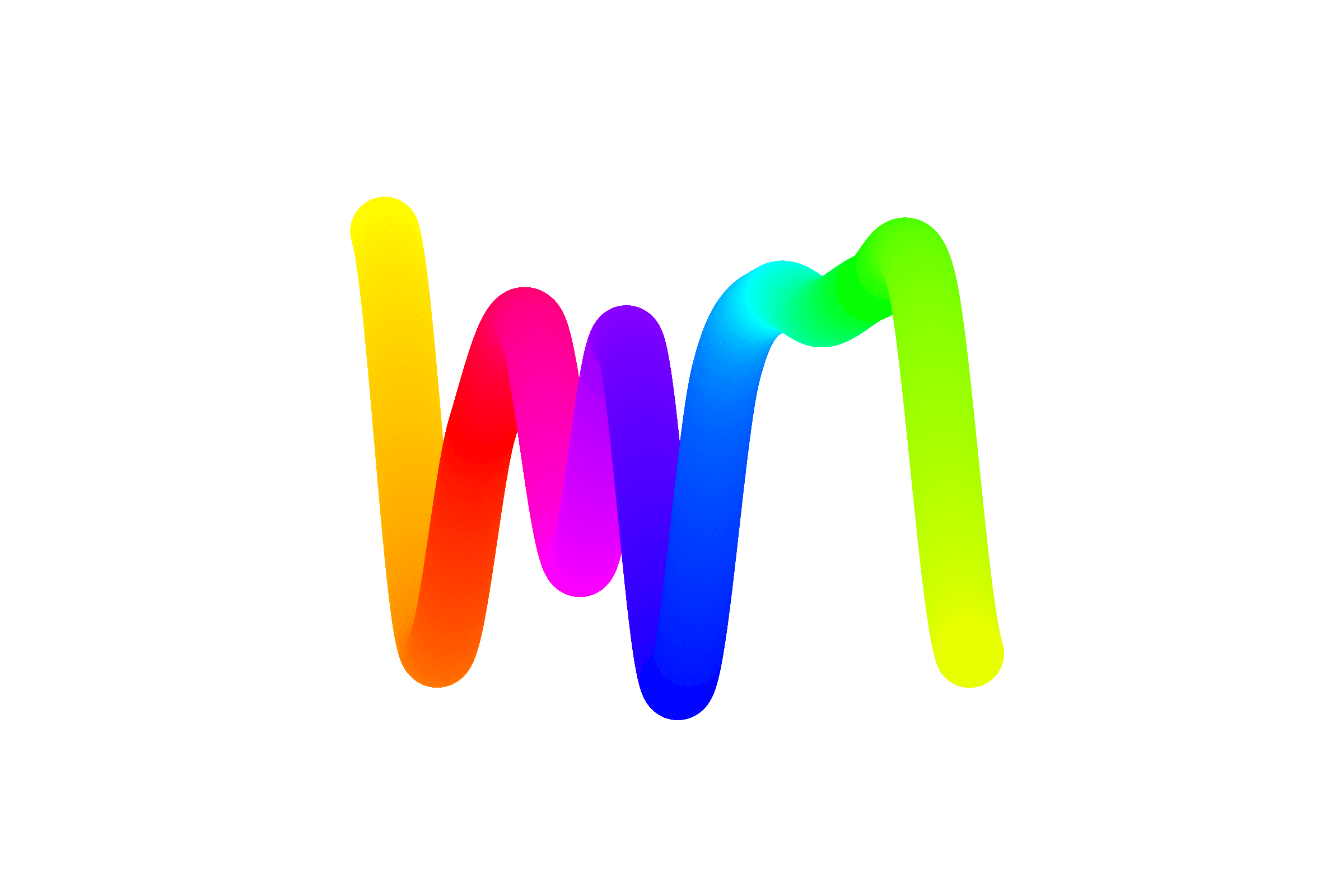
Chromie Squiggle by Snowfro is the cleanest place to start because it is both an artwork and a piece of Art Blocks history. It introduced many collectors to the idea that code, token data, onchain provenance, and visual variation could belong to the same artwork.
Squiggles also give beginners a practical way to learn. You can compare normal, slinky, fuzzy, ribbed, bold, and pipe outputs; study how a simple form can carry a huge amount of variation; and see how community research, museum collecting, and collector culture build around a project over years.
Collection
Chromie Squiggle on Art Blocks
The official Art Blocks collection page for the project, with project details, outputs, provenance, and market context.
Essay
On Chromie Squiggle
A strong Art Blocks essay on why Squiggles matter to onchain generative art.
Community
SquiggleDAO
Community-built context, tools, data, museum notes, and collector resources.
Interview
Ledger x Snowfro
A video conversation with Snowfro that adds more context around Art Blocks, Squiggles, collecting, and the early history of the platform.
How to research a project
A healthier collecting process starts with attention. Try to understand the project on its own terms first: what the artist made, what the system explores, and whether the work keeps pulling you back after the first impression.
- Look through many outputs before anchoring on one trait, one screenshot, or one listing.
- Read the artist statement and ask what the system is trying to explore.
- Use live view or generator links when available, not only marketplace thumbnails.
- Check provenance: contract, platform, mint date, token history, and whether links are official.
- Notice collector behavior, but do not confuse social attention with personal conviction.
- Keep records: marketplace links, transaction hashes, invoices, screenshots, and notes on why you collected.
Buy what you love, at a price you can live with
The best collecting advice is also the least flashy: buy work you genuinely want to spend time with, at a price that will not make you resent the piece if the market gets quiet. That mindset keeps the artwork at the center instead of turning every decision into a prediction.
Price, rarity, and sales history can provide context, but they should not replace taste. A work can matter because it is beautiful, strange, historically important, technically elegant, emotionally sticky, or simply yours in a way that is hard to explain.
A good collecting note might be as simple as: what did I see in this, why did I choose this output, and would I still be glad to own it if nobody else cared for a while?
Essays worth reading
Some of the best generative art education comes from artists and collectors writing carefully about process, history, taste, and the strange mechanics of long-form systems. These are good starting points when you want more depth than a marketplace listing can give you.
Journal
Art Blocks Journal
The main Art Blocks article archive, with essays, artist interviews, collection notes, and broader context around generative art.
Long-form
Emergence
A thoughtful essay on emergence, long-form systems, and why unexpected outputs can be central to the medium.
Art history
NFTs, Generative Art, and Sol LeWitt
Mitchell F. Chan connects generative art and NFTs to instruction-based conceptual art, especially Sol LeWitt.
Process
Subscapes: Part 3
Matt DesLauriers walks through code, rendering, and decision-making behind a generative landscape system.
Color
Color Arrangement in Generative Art
Tyler Hobbs on palettes, color placement, and why arrangement matters as much as selection.
Format
The Rise of Long-Form Generative Art
A useful explanation of why long-form output sets became such an important format for Art Blocks and onchain collecting.
Project notes
Gazers: About the Artwork
Matt Kane’s project notes for Gazers, useful for seeing how concept, mechanics, and collector experience can fit together.
Artist resource
Flows
Ryley Ohlsen’s generative art resource for thinking about creative flow, process, and making work over time.
Artist writing
James Merrill Writings
James Merrill’s writing archive, with notes on generative art, code, process, collecting, and the culture around onchain artwork.
Studio writing
Larva Labs Writing
Larva Labs essays and project notes from one of the most important studios in early onchain art, collectibles, and NFT history.
Collector safety basics
- Use verified links from official project, artist, or platform channels.
- Treat surprise mint links, airdrops, and direct messages as suspicious.
- Use a hardware wallet or separate vault wallet for long-term collection storage when appropriate.
- Read wallet prompts slowly and avoid signing approvals you do not understand.
- Keep screenshots, transaction links, invoices, and notes for your own records.
If you want to understand the creator side
You do not need to become an artist or engineer to collect generative art well. But learning a little creative coding makes the medium much easier to appreciate: randomness, loops, noise, color systems, simulation, traits, and deterministic rendering start to feel less abstract.
Art Blocks docs
Building your project
Art Blocks technical notes on token data, deterministic randomness, features, local development, and script requirements.
Course
Codecademy
A structured place to learn JavaScript basics before diving into creative coding.
Book
The Nature of Code
Daniel Shiffman’s classic resource for simulation, randomness, motion, and generative systems.
Videos
The Coding Train
Beginner-friendly creative coding tutorials, including p5.js tracks and coding challenges.
History
The History of Processing
A useful background essay on Processing and the creative coding lineage that helped shape tools like p5.js.
Prompts
Genuary
A yearly creative coding challenge built around daily prompts. Great for seeing how artists respond to the same constraint in different ways.
Sketches
OpenProcessing
A creative coding community where people publish, browse, and fork p5.js sketches.
Shaders
The Book of Shaders
A step-by-step introduction to fragment shaders, color, patterns, noise, and GPU based visuals.